

Over the past decade, the Baltic region has emerged as a recognised hub for financial innovation within the European Union. Lithuania, Latvia, and Estonia have built fintech-friendly ecosystems defined by advanced digital infrastructure, responsive regulators, and a highly skilled technology workforce. These conditions have enabled locally founded companies to compete well beyond their home markets. Despite the region’s relatively small population, Baltic entrepreneurs are increasingly building international financial services businesses. One example is Aventus Group, a fintech-driven lending group led by Andrejus Trofimovas, which today operates across four continents and 20 countries. As geopolitical risks rise and regulatory frameworks evolve…
Author: Fintechnews Baltic
The fintech industry in Latvia is shifting from a fast-moving, fragmented market to a more structured, policy-aware, and economically relevant sector, driven by the growing scale of the industry, deeper regulatory engagement, and ongoing infrastructure development, according to the Fintech Latvia Association. In a new report, the trade group looks at the current state of fintech in Latvia, analyzing developments in 2024 and 2025. In 2024, active fintech companies in Latvia generated nearly EUR 372 million in combined turnover and EUR 97 million in net profit, according to the organization’s Fintech Pulse 2025 report. This marked a 111% year-over-year (YoY) increase…
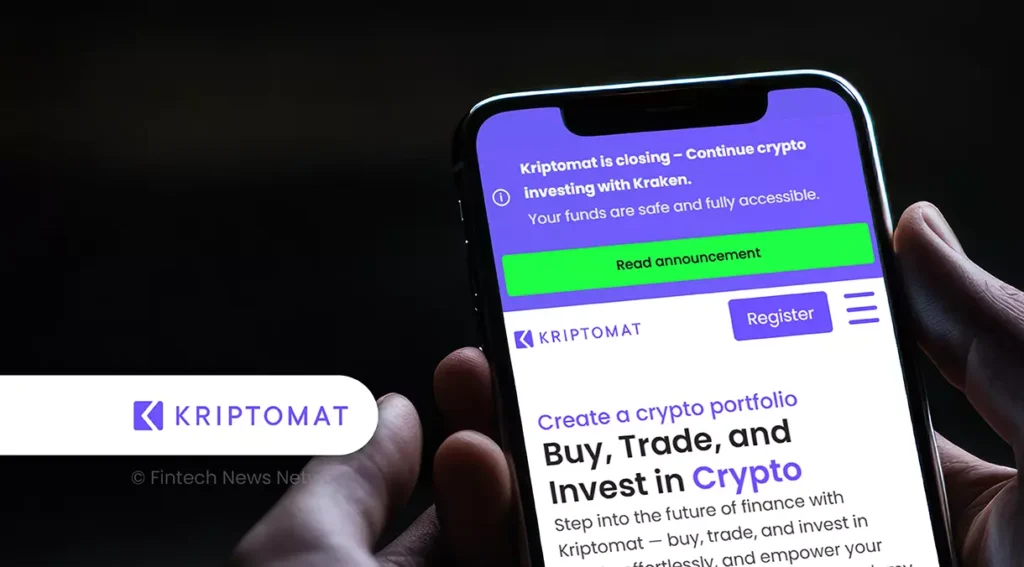
Once a major hub for cryptocurrency startups, Lithuania has seen its crypto sector contract sharply following the implementation of the Markets in Crypto-Assets Regulation (MiCA) in the European Union (EU). As of January 2026, only three Crypto-Asset Service Provider (CASP) licenses had been granted by the Bank of Lithuania, a far cry from the 324 registered crypto companies in 2024, according to Giedrius Būdvytis, a Lithuanian lawyer specializing in fintech and cryptocurrency. Būdvytis attended a consultative event on the CASP licensing process, organized by the Bank of Lithuania in mid-December 2025. In a LinkedIn post, he shared key takeaways, including…
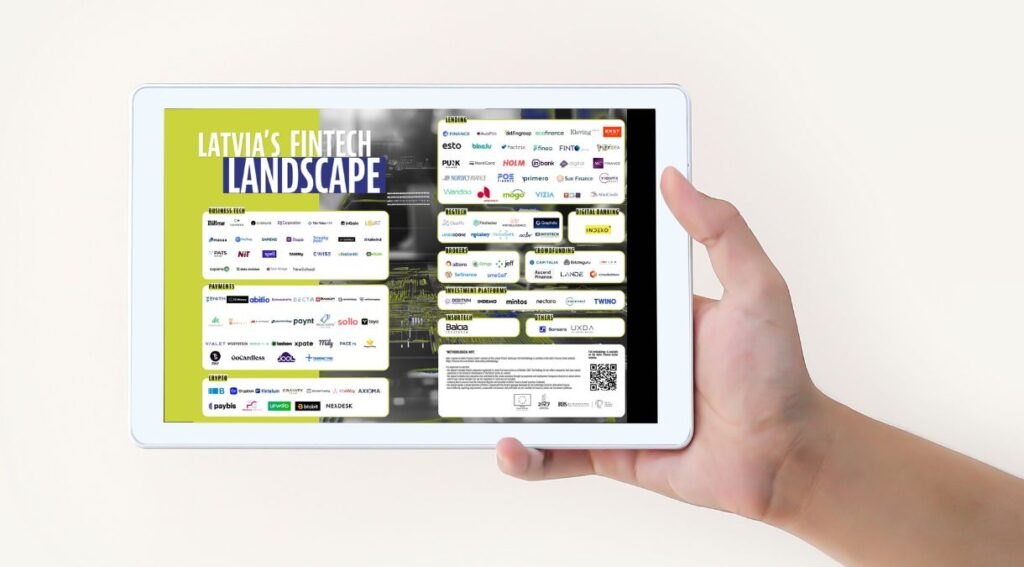
Latvia’s fintech industry has continued to grow and mature over the past year, showing notable growth in scale, sophistication, and international reach, according to a new report by Venture Faculty, a Riga-based business consultancy. The Latvian Fintech Landscape Update 2025 report, produced in collaboration Dealroom.co, looks at the evolution of the fintech industry in Latvia. It highlights a 10.4% year-over-year (YoY) increase, with the number of fintech companies operating in the country rising from 135 in 2024 to 149 in 2025. Latvian Fintech Map 2025 Payments, and data and IT software remain the top fintech verticals, accounting for 25% and…
Globally, the Nordic and the Baltic regions are emerging as prominent fintech hubs in Europe. In the Nordics, fintech is thriving, driven by high digital trust, strong sustainability initiatives, and close collaboration between banks and startups, with exceptional digital infrastructure underpinning this growth. Denmark is widely recognized as one of the world’s most digitally advanced nations, while Sweden is a pioneer of the cashless society. In particular, the capital cities of Stockholm and Oslo rank among the world’s top 20 fintech hubs, supported by stable political environments, favorable regulatory frameworks, and cutting-edge technology. Today, the Nordic region is home to…
Despite its small size, Estonia has emerged as a global leader in innovation, with fintech standing out as a prominent vertical. With more than 200 startups and several unicorns, this sector has risen on the back of an advanced digital infrastructure and a dynamic startup ecosystem. A new report by Tenity, an early stage venture capital (VC) fund, and Invest Estonia, part of Enterprise Estonia, the government agency promoting foreign investment, analyzes this thriving ecosystem. It highlights key growth drivers and identifies companies that have significantly contributed to the sector’s expansion. According to the report, Estonia’s fintech industry runs on…
Lithuanian startup Kashimi, which develops alternative payment infrastructure for regulated and licensed financial institutions worldwide, has secured a pre-seed investment of US$1.36 million. The round was co-led by venture capital funds Coinvest Capital and US-based Impellent Ventures, with participation from Plug and Play Tech Center and international business angels. The total investment of US$1,358,500 will support Kashimi’s expansion in Europe and the UK, where alternative payment methods are increasingly adopted, as well as entry into the US market, following initial steps taken at the end of 2024. “Alternative payment methods, which started to appear in Europe and the UK following…
Latvijas Banka has granted its second authorisation for crowdfunding services this year, approving FLOW, a platform developed by ERST Finance with legal support from Sorainen. FLOW’s authorisation enables the platform to provide loan facilitation services (loan-based crowdfunding) and other services related to crowdfunding. The license allows FLOW to operate across the European Union in coordination with Latvijas Banka. The approval process demonstrates the ability of the regulator to review applications efficiently. Reports indicate that the license was issued in under three months after submission. This development highlights the growing activity within Latvia’s fintech sector and shows that companies, both domestic…
The Ministry of Finance of Latvia has published its Fintech Strategy for the period 2025 to 2027, outlining a comprehensive approach to support the continued growth and international competitiveness of the country’s financial technology sector. Currently home to approximately 130 fintech companies, Latvia aims to strengthen its position as a regional hub for innovation in financial services. The strategy sets out measures to enhance infrastructure, regulatory clarity, access to capital, and talent development, with the overarching goal of fostering a stable, transparent, and competitive financial ecosystem. During the strategy period, Latvia is targeting a 30% increase in the number of…
Creem, an Estonian fintech startup developing financial infrastructure for AI-focused teams, has raised €1.8 million in a pre-seed funding round led by Practica Capital, with participation from Antler and several angel investors. Founded ten months ago, the company has already reached more than US$1 million in annualised revenue and reported monthly payment volumes growing over 300%, despite being operated by two technical founders who previously worked at Google and Adyen. Creem positions itself as a financial operating system for small AI startups, particularly those led by technical founders without dedicated finance or commercial teams. “AI is blowing open the doors…
Estonia’s e-Residency programme generated €68 million in direct income for the state in the first six months of 2025, nearly double initial projections and almost matching the total contribution for 2024, which was €66.8 million. Program Director Liina Vahtras described the results as “overwhelmingly positive,” adding: “These strong results give us every reason to expect further growth in tax revenues in the second half of the year, raising the programme’s annual contribution by at least a third.” Income mainly came from taxes, with €26.2 million from labour taxes and €39.7 million from dividend taxes, alongside €2.1 million in state fees…
Artea Bank, a Lithuanian commercial bank, has selected BPC’s SmartVista platform to modernise its card-issuing infrastructure. The cloud-native, microservices-based solution will be delivered fully in SaaS mode. It provides support for Mastercard debit and credit products, tokenisation for Apple Pay and Google Pay, and fraud management capabilities. The platform enables the bank to issue more than 250,000 cards while maintaining compliance and operational efficiency. In choosing a technology partner, Artea Bank aimed to shorten the time-to-market for new card products and offer customers a modern payments experience. The bank sought technology that would meet EU regulatory requirements, provide scalability for…
Riga-based biometric technology firm Handwave has secured US$4.2 million in Seed funding to roll out its palm-based identity and payment solution across Europe and the United States. The round was led by regional investor Practica Capital, with participation from FirstPick, Outlast Fund, and Inovo.vc. The funds will support the development of the platform, obtain necessary regulatory certifications, and initiate retail pilot programmes. Founded in 2021, Handwave enables users to pay, verify their age, access loyalty programmes, and check in using only their palm, without the need for cards, mobile phones, apps, or facial recognition technology. The startup’s solution uses proprietary…
Lietuvos Bankas and the National Cyber Security Centre (NCSC), operating under the Ministry of National Defence, have formalised a new phase of interinstitutional cooperation in the field of cybersecurity. “Cybersecurity is not just about technology, but, above all, about speed and coordinated response. Cooperation with the NCSC will allow us to exchange information more swiftly, respond to threats, and strengthen the resilience of the financial system as a whole,” said Julita Varanauskienė, Deputy Chair of the Board of Lietuvos Bankas. Under the agreement, Lietuvos Bankas will join the National Cyber Incident Management Platform, which is coordinated by the NCSC. The…
Estonian-founded investment platform Lightyear has raised US$23 million in a Series B funding round led by NordicNinja, with participation from Superangel, Specialist VC, Lightspeed, Metaplanet, Skaala, and individual investors including Markus Villig of Bolt and Lars Trunin of Wise. This round brings the company’s total funding to date to US$58 million. Established in 2020 by Martin Sokk and Mihkel Aamer, Lightyear was founded in response to the challenges of investing across Europe. The investment landscape remains fragmented, shaped by differing regulatory regimes, tax systems, currencies, and languages. Recognising the limitations this imposed on retail investors, the founders set out to…
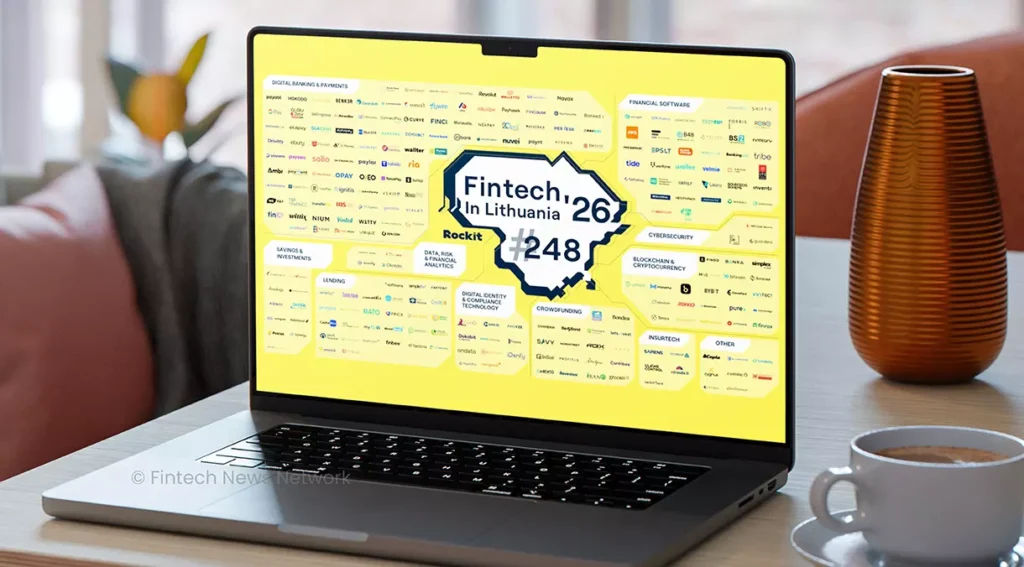
Lithuania has introduced regulatory changes to reduce compliance burdens for low-risk fintech companies while maintaining core anti-money laundering and counter-terrorism financing (AML/CTF) safeguards. The move is part of efforts to reinforce the country’s position as the European Union’s leading fintech hub by number of licensed companies. According to Invest Lithuania, more than 120 licensed fintech firms were operating in the country by the end of 2024, serving over 30 million EU customers. The updated framework adopts a more risk-based approach, allowing financial institutions to assess client risk levels and apply simplified due diligence (SDD) where appropriate, particularly benefiting sectors like…
Tuum, an Estonia-based next generation core banking provider, has announced a partnership with Solidgate, a London-based payment processing and orchestration platform, to support the launch of Solidgate Treasury. The solution enables online businesses to access and manage their funds globally, aiming to remove common obstacles in cross-border payments. Solidgate Treasury is built on a core infrastructure that includes direct access to global payment rails such as SEPA and SWIFT. Tuum’s platform underpins the solution, offering out-of-the-box capabilities that support various payment methods, including global transfers, card payments, and integrations with service providers in the fintech ecosystem. “We are excited to…
The Bank of Lithuania (Lietuvos bankas) has issued a strong call for virtual currency exchange operators and depository virtual currency wallet operators who do not intend to apply for a crypto-asset service provider license to begin the process of winding down their operations immediately, ahead of the 31 December 2025 transitional deadline under the EU’s Markets in Crypto-Assets Regulation (MiCA). In newly issued guidance, Lietuvos bankas advises all operators listed with the State Enterprise Centre of Registers, and not planning to continue operations under Regulation (EU) No 2023/1114, to take urgent action to protect investors, uphold market transparency, and ensure…
The European Central Bank (ECB) has released its third progress report on the preparation phase of a digital euro, which began on 1 November 2023. This phase is focused on laying the groundwork for a potential digital euro issuance. Since the second progress report, the ECB has made further progress on the draft rulebook for the digital euro scheme. The rulebook is intended to standardise digital euro payments across the euro area and provide a modern and user-centred experience. Input from the Rulebook Development Group, which includes representatives from the European retail payments market, has contributed to improvements in the…
Axiology, a fintech company based in Lithuania, has received authorisation under the European Union’s DLT Pilot Regime to operate a trading and settlement system using distributed ledger technology (DLT). The authorisation, granted by the Bank of Lithuania in coordination with the European Central Bank (ECB) and the European Securities and Markets Authority (ESMA), makes Axiology the second entity in the EU to receive this approval and the first in Northern and Eastern Europe. The license includes a financial brokerage firm authorisation and permission to operate a DLT-based trading and settlement system (DLT TSS). This allows Axiology to manage a digital…