

Over the past year, the fintech sector in Latvia has evolved from a period of rapid expansion into a phase of stable and measured maturity, solidifying its position as one of the country’s most advanced technology verticals, and increasingly driving the local economy through job creation, profit generation, and tax contributions, according to latest edition of the Fintech Pulse report by the Fintech Latvija Association.
Released in December 2025, the report offers a comprehensive overview of the sector’s current state, highlighting industry trends, notable capital market movements, and key industry milestones. It stresses the emergence of fintech as a strategic pillar of Latvia’s economy, positioning the sector not just as a source of innovation but also as a key contributor to employment and tax revenues.
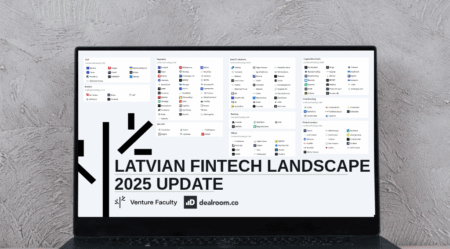
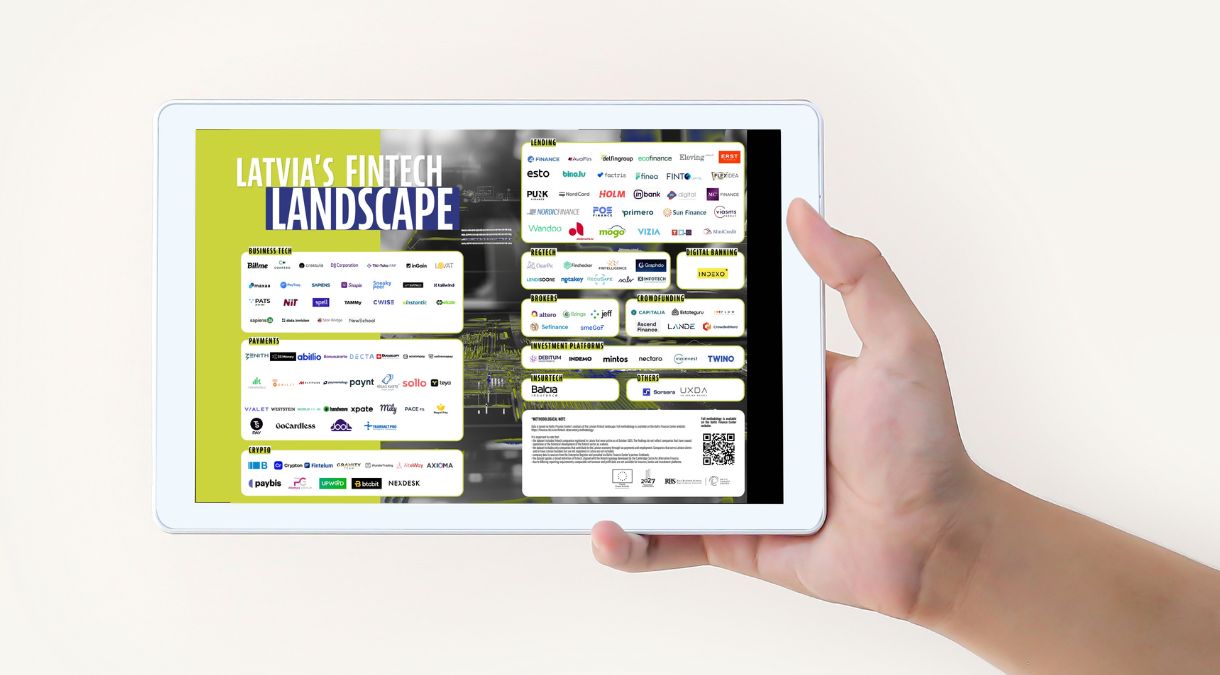
A central theme of the report is the sector’s transition from rapid growth to maturity, and from a collection of startups to stable institutions. Currently, Latvia is home to 126 fintech companies. While this figure has remained relatively stable over the past two years, it sits below the 2022 peak of 146, underscoring a maturing market characterized by consolidation and selective sustainability.
In 2024, these active fintech companies generated a combined domestic turnover of EUR 371.73 million in 2024, yielding a net profit of EUR 97.22 million. This highlights the sector’s evolution into a profitable engine for the national economy.

These fintech companies are also making a substantial contribution to the state budget, with more than EUR 91 million in taxes paid in 2024. This figure represents a 28.3% increase from EUR 71 million in 2023, and reflects the sector’s growing role in supporting Latvia’s fiscal health.
Fintech also demonstrated robust employment growth, with 3,644 people employed in 2024, up 9% from 3,347 employees in 2023. This highlights the fintech industry’s expanding impact on the local economy and society.

DelfinGroup and 4finance as fintech leaders in Latvia
The report identified DelfinGroup and 4finance as among the dominant players, consistently ranking in the top three across turnover, net profit, tax contributions, and employee count.
DelfinGroup is consumer financial service provider, offering consumer loans, pawnbroking, and money transfer service. The company operates one of the largest branch networks in Latvia, and claims a loan portfolio of EUR 144.4 million.
In 2024, DelfinGroup generated EUR 50.91 million in turnover, EUR 4.81 million in net profit, and contributed EUR 6.01 million taxes while employing 368 people.
4finance is a digital consumer lending group offering short‑term loans, installment loans, and credit lines across more than 10 countries. It is one of Europe’s largest online lending companies, running well‑known brands such as SMScredit, Vivus, and Ondo, and disbursing more than EUR 10 million through 22 million loans to date.
In 2024, 4finance generated EUR 36.35 million in turnover, EUR 73.27 million in net profit, and contributed EUR 5.34 million in taxes. It employed 181 people.

Other leading fintech companies in Latvia include Sapiens Software Solutions, a provider of software solutions for the insurance industry; Sun Finance, an online and mobile lending platform; and Datakom, the owner of the Tiki-Taka Pay mobile point-of-sale system.
Latvia: A hub for P2P finance and investment platforms
Beyond the state of fintech, the Fintech Latvija Association report highlights Latvia’s emergence as a strong hub for licensed investment platforms in the European Union (EU). The country has captured a significant share of the continent’s peer-to-peer (P2P) and alternative investment market, accounting for 24% of the entire EU and European Economic Area (EEA) P2P market, which cumulatively reached EUR 55 billion in the end of 2024.
Eight of the biggest Latvian licensed platforms, namely Mintos, Debitum Investments, Viainvest, Lande, Nectaro, Indemo, Twino and Capitalia, are now serving more than 700,000 international investors and have facilitated over EUR 13.3 billion in historical investments.
The industry’s success is also reflected in its contribution to Latvia’s economy. In 2024, investment platform companies employed 236 people in high-skilled roles and paid EUR 5.2 million in taxes.
Looking ahead, Latvia’s investment platform sector is projected to continue growing, following the 22.6% average annual growth rate recorded between 2021 and 2024. By the end of 2026, the sector is expected to deliver approximately 25% year-on-year (YoY) growth in foreign capital invested into Latvian companies, further accelerating cross-border capital inflows; around 25% in annual increase in assets under management (AUM); and at least 50 additional high-value fintech jobs created, ultimately expanding Latvia’s specialist talent base and export-driven financial innovation capacity.
Lending is the biggest and most developed fintech vertical in Latvia, accounting for 23% of the industry. In 2024, it generated the highest tax revenues across all fintech verticals at EUR 33.61 million.

Fintech licensing ecosystem gains momentum in Latvia
Another key trend highlighted in the report is the growing momentum of Latvia’s fintech licensing ecosystem. In 2025, three new crowdfunding licenses were issued, doubling the number of authorized providers.
The e-money sector shows a similar trend, with two new electronic money institution licenses issued in 2025, and overall performance indicators remaining positive.
In April 2025, Latvijas Banka, Latvia’s central bank, granted xpate access to its Electronic Clearing System for SEPA payments. The company became the first non-banking institution in Latvia to launch, integrate, and access the system.
By the end of 2025, a total of eight non-banking providers had joined the Electronic Clearing System. More than 10 are in the pipeline.
In August 2024, Latvijas Banka introduced a pre-licensing consultation process for cryptocurrency companies, aiming for a smooth transition into the EU’s new crypto regulatory regime. As of January 2026, two MiCA licenses had been issued by Latvijas Banka, with more than 15 companies now reportedly under review.
Featured image: Edited by Fintech News Baltic, based on image by vector_corp via Freepik