


At the end of the day every entrepreneur wants to see how much profit they’ve made. In the world of e-commerce, nothing beats conversion when the client acts on your marketing appeal – unless a visitor buys something, is there any point in carrying on?
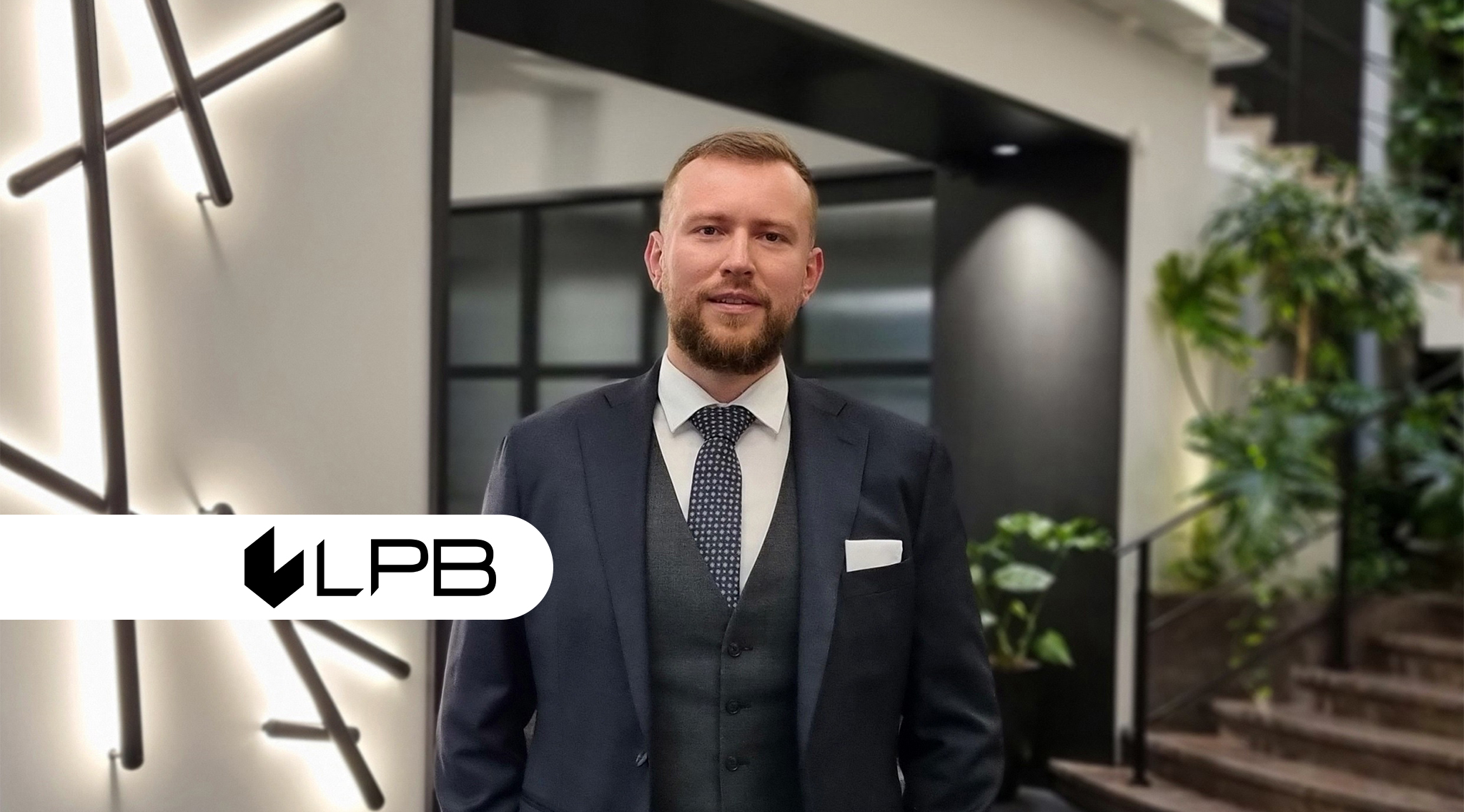
At a time when the cost per attracted buyer keeps rising, all businesses are in stiff competition to boost their rates of conversion. Here talking about how entrepreneurs can make their first steps in the digital environment and pick cooperation partners that will care about conversion as much as they do, is the head of the E-commerce Department at LPB Bank, Edgars Valmers.
Outlook in Latvia. People’s first online purchases. Choosing e-commerce platforms.
E-commerce is now developing gradually rather than during the pandemic, but it continues to take up an ever-greater share of the worldwide retail market. Experts forecast that by the end of 2023, one of every five retail transactions will occur online.

After the outbreak of Covid-19, the number of people shopping online for the first time increased substantially:
“I know a 45-year-old man who never had to browse e-shops or use a delivery locker. The pandemic made people like him develop their digital skills – and they have already learned a lot. Once they saw the advantages of transacting online, some cannot imagine their day-to-day lives without having groceries delivered from e-shops or hot meals brought to their doorstep by a well-known courier. During the Covid-19 pandemic, we saw unprecedented new unique users and payment card connections. According to Eurostat data, 61.98% of internet users in Latvia have shopped online in the past 12 months. The Latvian e-commerce market has the immense capacity and tremendous potential,”
Valmers notes.
Obviously, the Covid-19 pandemic made consumers adjust their shopping habits, but it also forced businesses to consider new sales channels, particularly e-commerce platforms. Edgars Valmers has over 12 years of e-commerce experience and believes that an open-source platform such as Magento, PrestaShop, Opencart and WooCommerce is a good first step in developing e-commerce or launching a business.
“Cash-strapped entrepreneurs or those looking to study market demand can start here; these are good solutions. But as their business grows, expectations for their website features will also expand. Doing everything in-house – from designing the website template or uploading images and product descriptions to connecting payment modules – will only take a few hundred euros. At this stage of development, companies tend to seek specialists and start thinking about effective integration (connecting their e-commerce platform to other systems) – having to manage and maintain multiple systems across several vendors takes a lot of extra resources.”
If your marketing strategy extends beyond the Baltic markets, you could take a broader look and consider the adoption of international e-commerce platforms. As they enter new markets, entrepreneurs should be ready to adapt their products and services to a linguistic and cultural context: indicate prices in different currencies and so forth. Extra resources will have to be allocated to localisation as well.
A larger number of solutions tailored to the local market could promote the use of e-commerce technologies in business. It means that local website development platforms such as Mozello can bring certain advantages because their solutions are adapted to the local market. For example, integration with delivery services, website templates that readily accommodate multiple languages (most foreign website development platforms do not support this by default but offer it as a paid extra option).
The pandemic contributed to e-commerce in general, but it also spurred private entrepreneurs to develop an online presence.
“We see how the rate at which small businesses are looking to dip their toes into the digital commerce pool has grown throughout Europe. During the Covid-19 pandemic, professionals that could develop digital products and sell them online helped expand the market. Fitness coaches created and sold their workouts digitally. Nutrition experts started selling tailored nutrition plans. Many are maintaining and expanding their online channels, but some no longer rely on e-commerce to drive sales and have returned to the physical environment. Referring to own statistics, about 10% of companies disabled payments in their online platforms after the Covid-19 restrictions were relaxed,”
comments Valmers.
Experience. Nothing beats more experience.
Implementation of e-commerce takes time, resources, money and know-how. Businesses shaping their corporate strategy should decide on areas where they will cultivate a do-it-yourself approach and where they will seek out more experienced partners and specialist vendors. Payment acquiring is one aspect where cooperation with service providers such as banks and other financial institutions is inevitable.
“Most clients look for banks or financial intermediaries that can provide a broad selection of the services they need as a one-stop shop solution. We went beyond the provision of classic e-commerce services to develop fintech solutions under the BaaS (Banking as a Service) umbrella. This means we can provide fintech and start-up businesses with white-label products they can quickly deploy to start servicing their end-users. LPB Bank’s BaaS solution includes everything a payment institution possesses (PI, EMI or PSP) to launch a product and start servicing customers. The bank supports segregated accounts, Visa, Mastercard and Apple Pay payments, addressable SEPA BIC, SEPA Instant, TARGET2, virtual IBAN, and is about to implement BIN sponsorship as well,”
the e-commerce expert explains.
Valmers is convinced that the key to success lies not in the ability to make strategically impeccable decisions but in understanding the factors that affect the user experience and working to improve it every day.
“In the battle for conversion, you must consider things that might initially seem insignificant. Imagine trying to buy something on an online retail platform based in China if the seller quoted prices in the Chinese Renminbi. As a shopper, you would have to know the exchange rate to euros to find out what it would cost you – but when you made the purchase, a different amount would be debited from your bank account to include exchange and transaction fees. This sort of thing creates discomfort and might prevent you from shopping in the future.
On the other hand, if you see prices quoted and debited in your local currency, the convenience might make you a repeat customer – a clear conversion benefit to the seller. Therefore, businesses considering their sales markets should choose an e-commerce provider to support acquiring multi-currency payments. The broader your market presence, the more currencies you want to support. LPB Bank maintains a wide range of payment currencies for its clients enabling ambitious players to conquer new markets and bringing the best user experience to consumers,”
Valmers opines.
Speaking on user experience, he elaborates that optimisation is only possible by measuring and tracking various parameters while technology can contribute to internal processes and labour effectiveness.
“Ultimately, statistics and data analysis are no longer amazing features but a must-have in the data-driven business environment. It is one thing to do something manually, compiling data across Excel files and plotting graphs, and another thing to have the key indicators represented in a clear and appealing dashboard format where absolutely everything is automated. Our mission is to provide services that make business simpler and more efficient for our clients. If a payment is rejected the client can see why this happened, analyse the event and contact its partners to remedy the fault as soon as possible. To some providers, this might seem like too much hassle, but we deliver exactly what every business wants – improved conversion for higher profits,”
the e-commerce expert believes.
“The past few years, indeed, were not easy for anyone. I’m not here to say that adversity has made us all stronger – yes, some companies quickly pivoted away from markets that suddenly became unavailable, but others didn’t survive – after all, the jungle is about the survival of the fittest. These challenges certainly gave us novel experiences. Over the years, we have worked with a wide variety of clients across Europe, tackling many problems. We bring added value to clients through efficiency – they learn from others’ mistakes by drawing on the know-how accumulated by LPB Bank. We handle sanction lists, AML, GDPR and other regulatory compliance every day, so we can always consult our clients on minimising risk, improving conversion and taking their business to a new level,”
Edgars Valmers concludes.
Featured image credit: Edgars Valmers