

Lithuania has introduced regulatory changes to reduce compliance burdens for low-risk fintech companies while maintaining core anti-money laundering and counter-terrorism financing (AML/CTF) safeguards.
The move is part of efforts to reinforce the country’s position as the European Union’s leading fintech hub by number of licensed companies.
According to Invest Lithuania, more than 120 licensed fintech firms were operating in the country by the end of 2024, serving over 30 million EU customers.
The updated framework adopts a more risk-based approach, allowing financial institutions to assess client risk levels and apply simplified due diligence (SDD) where appropriate, particularly benefiting sectors like e-commerce and property rentals.
Aligned with recent EU AML/CTF Authority regulations, the framework introduces a differentiated model that supports lower-risk business models.
The aim is to create a more flexible environment for institutions without compromising regulatory integrity.
This is particularly relevant for digital-first companies that rely on efficient onboarding and payment processes. The regulatory update supports operational agility and cross-border scalability, two priorities for fintechs looking to expand across the EU.

“This change strengthens Lithuania’s competitive edge by endorsing low-risk fintech business models,”
said Modestas Tursa, CEO of Vinted Pay.
“Companies can now adopt a risk-based strategy, allowing them to focus on technology and product development.”
Payhawk, a global spend management platform that established a local office in Vilnius in 2023 after receiving an Electronic Money Institution (EMI) license from the Bank of Lithuania, welcomed the reforms.

“We were impressed by the speed and reaction of the Bank of Lithuania and the Ministry of the Interior along with its Financial Intelligence Unit that took the initiative to improve the existing regulation swiftly,”
said Hristo Borisov, Co-founder and CEO of Payhawk.
“These regulatory changes are a step in the right direction that will help us provide smoother onboarding for low-risk businesses. Until now, the regulation required many country-specific requirements such as apostilles that might not have been very familiar to businesses opening an account for the first time in Lithuania-based EMIs.”
Borisov also credited cooperation with regulators, the Ministry of the Interior, and industry groups such as the Lithuanian Startups Association for helping drive the updates.
The reforms align Lithuania more closely with regulatory best practices in jurisdictions such as the Netherlands and Luxembourg.
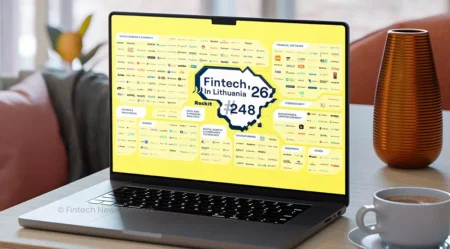
Featured image credit: Edited by Fintech News Baltic, based on image by inguskruklitis via Freepik