


Finsei doesn’t look like a typical London fintech from the outside. The regulatory home is a small office at 3 Lloyds Avenue in the City, the FCA license (FRN 900878) is British, and the pitch is aimed squarely at UK based SMEs moving money across borders. But a good chunk of the team that actually builds the thing sits in Riga. That split — Baltic build, UK license — turns out to be the whole story of how the company got here.

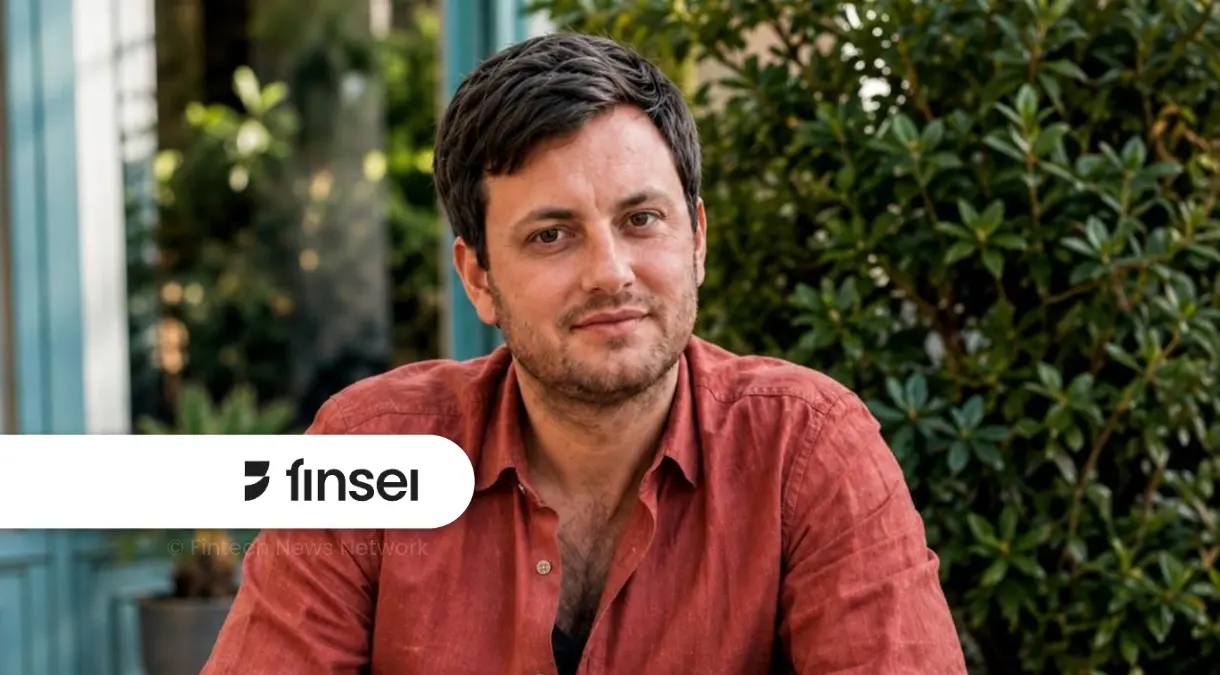
We sat down with Artjoms Dozorcevs, CEO of Finsei, to talk about starting in Latvia, why the company eventually needed a UK entity to be taken seriously, and what it actually takes to run payment rails across two dozen currencies without the balance sheet of a big bank behind you.
You started building in Riga. Why there, and why did London end up on the letterhead?
Besides the obvious fact that I am originally from Riga myself, it was always a good starting point because historically Riga was a strong financial and banking hub and concentrated a decent amount of local talent that is crucial for any ambitious start-up. Furthermore, 2018 was a pivotal year for Latvian financial sector as several large banks lost their licenses under regulatory pressure from the West and a lot of industry experts needed a new employer while thousands of clients were left underbanked and underserved.
Basically a niche market has presented itself in a city with much lower burn than London or Berlin, and a talent pool that’s used to working across borders because the local market alone was never going to be enough. We could build fast and cheaply without compromising on quality.
But payments is a licensing business before it’s anything else. Clients — especially the ones moving real volume expect a license issued by a reputable regulator from a well established jurisdiction, and there is none other than the UK’s Financial Conduct Authority. So we set up the UK entity the same year, got licensed, and that became the front door. The Riga team gradually got bigger and continued to play an important role in the business. It’s still where a lot of the product gets built, while London is where the top management sits, keeping oversight close to where the company is regulated..
What does Finsei actually solve that a business bank account doesn’t?
A regular bank account is built around one currency and treats everything else as an exception. That’s fine if you invoice in pounds and pay in pounds. It stops being fine the moment you’re paying a supplier in Poland, a contractor in Spain, and collecting from a customer in the Netherlands — all in the same week.
We give businesses dedicated multicurrency IBANs and access to payments infrastructure that runs through SEPA, TARGET2, Faster Payments, BACS, or CHAPS depending on where the money’s going, instead of defaulting to SWIFT for everything and eating the fee and the delay. None of that is exotic technology. It just takes time to build a robust portfolio of banking providers, and develop a multimodal flexible software that combines everything into one cost-efficient and convenient product.
Who’s actually using it?
Mostly SMEs — e-commerce sellers expanding into new markets, tech startups with international suppliers or contractors, companies scaling procurement across the EU. The person who signs off is usually a CFO or a head of procurement, and what they care about is boring in a good way: can I see where the money is, is the exchange rate honest, and can my team approve a payment without three people copying an email chain.
You’ve processed over €2.6 billion since launch, including roughly €1 billion in 2024 alone. What changed that accelerated things?
Some of it is just the market catching up — more SMEs trade across borders now than five years ago, and fewer of them are willing to accept a 3% FX markup they can’t even see on a statement. And some of it is that once you have the licensing and the rails in place, growth stops being about building new infrastructure and starts being about who you can reach. That second part is a sales and partnerships problem more than a product one, which is a nice place to get to after years of the opposite being true.
What’s the hardest part of running a regulated fintech that isn’t the technology?
Trust, honestly. Anyone can build a nice-looking app. Convincing a CFO to move their supplier payments through a company they hadn’t heard of a year ago is a different problem, and it’s not solved by a landing page. It’s solved by being regulated properly, being transparent about fees when it would be easier not to be, and showing up the same way for the hundredth client as the first one.
What would you tell a founder in Riga or Vilnius or Tallinn thinking about building something similar?
Don’t wait until you feel “big enough” to get licensed properly — that’s usually the excuse people give for staying small. Do thorough research into your comparative advantage when choosing where to get regulated. And don’t assume you have to move the whole company to London or Berlin to be credible. Local presence and substance are important but running the business efficiently and cost-effectively is key. Build where it’s smart to build, get regulated where you need to be regulated, and let the map follow the business instead of the other way around.
Featured image: Edited by Fintech News Baltic, based on image by Finsei